
INTRO
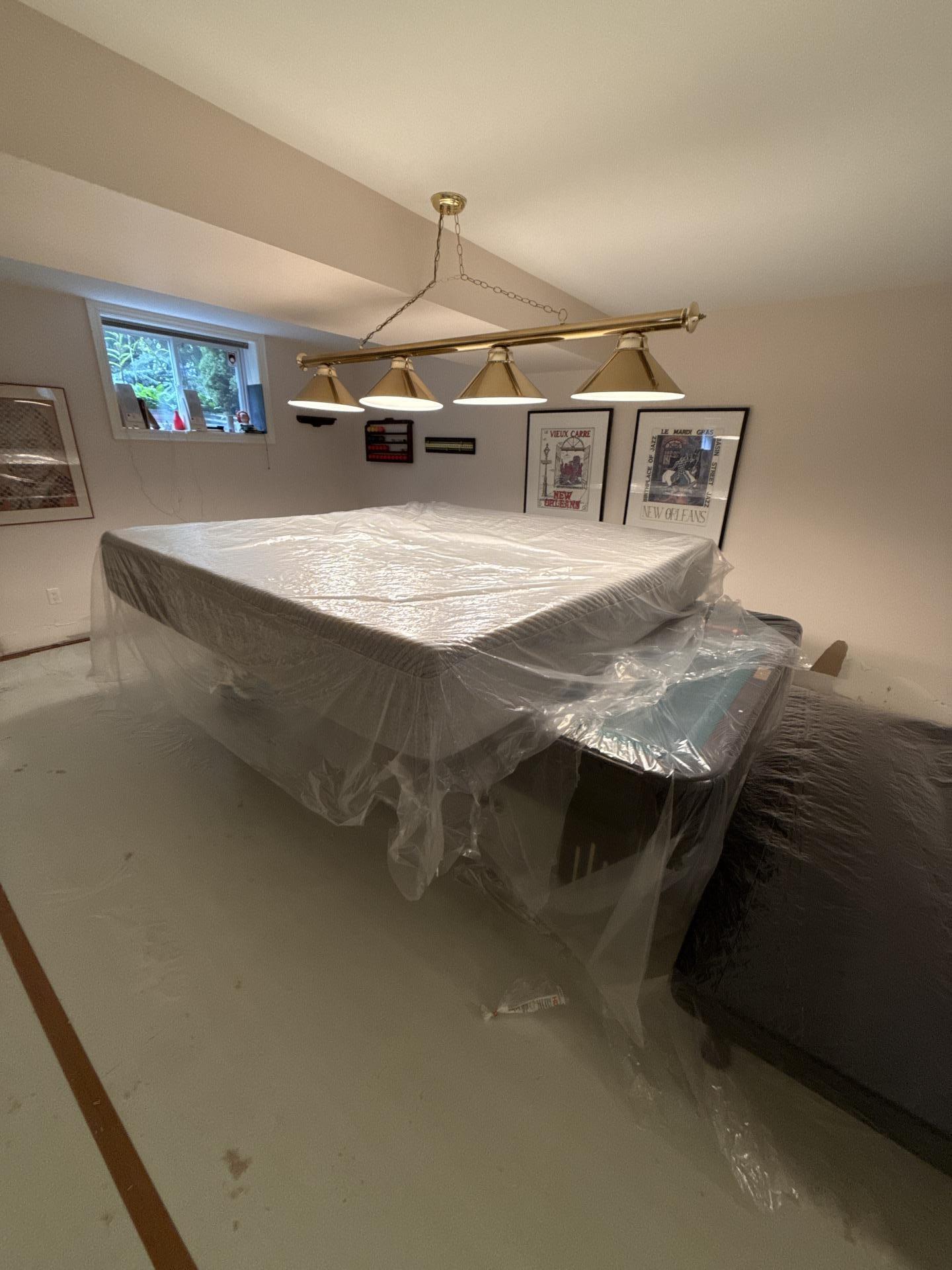
BASEMENT FLOOD CLEANUP IN Etobicoke
A flooded basement can quickly disrupt your Etobicoke home or business, whether the water comes from a heavy storm, sewer backup, burst pipe, sump pump failure, or another source. Standing water can soak flooring, drywall, insulation, furniture, and stored belongings, while moisture left behind can lead to additional damage if it is not addressed promptly. Plan B Restoration provides basement flood cleanup services in Etobicoke, helping property owners remove standing water, dry affected areas, assess damaged materials, and begin restoring the basement to a safe and usable condition.
Basement flooding is a documented concern across Etobicoke, with the City identifying more than a dozen Etobicoke-area basement flooding study areas as part of its protection program. During the major July 2013 storm, Toronto received more than 4,700 basement-flooding complaints, with the majority coming from Etobicoke and York. Basement flooding can result from overwhelmed sewers, heavy rainfall, groundwater, poor drainage, sump-pump failures and other issues.
Source: City of Toronto
CAUSES
COMMON CAUSES OF BASEMENT FLOODS IN Etobicoke
Basement flooding can occur for many reasons, and finding out where the water came from is an important first step in the cleanup process. In Etobicoke, heavy rainfall, plumbing failures, drainage problems, and sewer issues can all allow water to enter a basement. Even a relatively small leak can become a serious problem if water continues to accumulate or is left standing for too long.
Some of the most common causes of flooded basements include heavy rain and storms, burst or leaking pipes, sewer backups, sump pump failures, foundation leaks, clogged or overwhelmed drainage systems, and overflowing appliances. Identifying and stopping the source of the flooding as quickly as possible can help prevent additional water from entering the property.
Plan B Restoration can help identify the source of a basement flood, remove standing water, dry affected areas, and assess the extent of the damage to help begin the cleanup and restoration process.
💧 Leaking Pipes
Even a slow plumbing leak can cause significant damage if left unnoticed.
Leaking pipes can develop gradually behind walls, beneath floors, or around plumbing fixtures, allowing moisture to spread before the problem is discovered. In homes and buildings, aging plumbing, worn connections, corrosion, and damaged pipe fittings can all contribute to leaks that affect drywall, flooring, insulation, cabinetry, and personal belongings.
🌧️ Heavy Rain
Heavy rainfall can quickly turn a vulnerable basement into a flooded space.
Intense storms can overwhelm drainage systems and allow water to enter through floor drains, basement windows, foundation cracks, and other vulnerable areas. Finished basements can be particularly susceptible to damage when water reaches flooring, walls, furniture, or electrical components.
⚙️ Sump Pump Failure
When a sump pump stops working, groundwater can accumulate around the foundation.
Many homes rely on sump pumps to keep groundwater away from basement areas. Mechanical failures, power outages, blocked discharge lines, and aging equipment can cause a pump to stop working when it is needed most — particularly during heavy rainfall.
🚿 Plumbing & Appliance Leaks
A plumbing or appliance leak can quickly turn a basement into a cleanup project.
Water heaters, washing machines, toilets, utility sinks, supply lines, and other plumbing fixtures located in or near basements can release water when connections fail or components become damaged. Leaks may spread across basement floors or seep into drywall, insulation, flooring, and stored belongings, making prompt detection and cleanup important.
🚽 Sewer Backups
Contaminated water requires prompt attention and professional cleanup.
A sewer backup can introduce contaminated water into basements, bathrooms, laundry areas, and other low-lying areas of a property. Beyond damaging building materials and belongings, sewage can create serious sanitation concerns and should be professionally removed and cleaned.
🏠 Foundation & Basement Leaks
Basement water intrusion can happen when cracks or weaknesses allow moisture to enter below ground level.
Foundation cracks, deteriorated waterproofing, poor drainage, and hydrostatic pressure can allow water to seep into a basement, particularly during periods of heavy rain or snowmelt. What may begin as a small amount of moisture can develop into standing water, damp walls, damaged flooring, and other basement problems if the source isn’t identified and addressed.
TYPES OF SERVICE
BASEMENT FLOOD CLEANUP SERVICES WE PROVIDE IN Etobicoke
- Basement water extraction — Removing standing water from basement floors and other affected areas to begin the cleanup process.
- Basement moisture assessment — Inspecting floors, walls, drywall, insulation, and other areas to identify the extent of water intrusion and hidden moisture.
- Basement drying — Using professional drying equipment to remove moisture from affected building materials and help prevent additional damage.
- Dehumidification and air circulation — Controlling humidity and improving airflow throughout the basement to support effective drying.
- Damaged material removal — Removing saturated drywall, insulation, flooring, and other materials that cannot be properly dried or restored.
- Basement cleaning and sanitization — Cleaning and treating affected surfaces, particularly after contaminated water or sewage has entered the basement.
- Belongings and contents protection — Moving, cleaning, or protecting furniture, storage items, and personal belongings affected by the flooding.
- Basement restoration and repairs — Completing or coordinating necessary repairs to damaged walls, floors, ceilings, and other basement areas so the space can return to its previous condition.
OUR BASEMENT FLOOD CLEANUP PROCESS
We start by inspecting the basement to determine where the water came from and how far it has spread. Our team checks for visible and hidden damage to flooring, walls, belongings, and other affected areas.
Where possible, we address the source of the flooding and contain the affected areas to prevent further water from spreading. This helps limit additional damage throughout the basement and surrounding areas.
Standing water is quickly removed using professional water extraction equipment. Fast extraction helps reduce damage to flooring, drywall, furniture, and other basement materials.
We focus on removing moisture from both visible surfaces and areas where water may be trapped, including underneath flooring and behind walls. Professional air movers and dehumidifiers help bring the basement back toward appropriate moisture levels.
Flooded areas and salvageable belongings are cleaned and treated as appropriate. If the basement was affected by contaminated water, additional cleaning and sanitation measures may be required.
Once the basement has been stabilized and thoroughly dried, restoration work can begin. Depending on the extent of the damage, this may include repairing or replacing drywall, flooring, trim, insulation, and other damaged materials.
LOCAL SPECIFICITY
OUR ETOBICOKE LOCATIONS
We proudly serve Etobicoke communities including:
- Mimico (M8V, M8Y areas)
- The Kingsway (M8X, M9B areas)
- Islington-City Centre West (M9A, M9B, M9C areas)
- Alderwood and Long Branch (M8W areas)
- Markland Wood (M9C areas)
- Rexdale and Thistletown (M9W areas)
- Etobicoke West Mall (M9C areas)
- Humber Valley Village (M9A areas)
- Stonegate-Queensway (M8Y, M8Z areas)
- New Toronto (M8V areas)
FAQ
FREQUENTLY ASKED BASEMENT FLOODING QUESTIONS
Basement flooding can result from heavy rainfall, sewer backups, burst or leaking pipes, sump pump failures, foundation cracks, drainage problems, and plumbing or appliance leaks.
If heavy rainfall causes water to enter your Etobicoke basement, address the source if it is safe to do so and avoid standing water that may have come into contact with electrical systems. Move valuables, furniture, and stored belongings away from affected areas if possible, document the flooding for your insurance company, and contact a basement cleanup professional promptly. Quick water extraction and thorough drying can help reduce damage to basement flooring, drywall, insulation, walls, and other materials.
If it is safe to do so, stop the source of the water and avoid entering areas where water may have come into contact with electrical equipment. Remove valuables from affected areas if possible and contact a professional basement cleanup company to begin water extraction and drying.
A flooded basement should be addressed as soon as possible. Standing water and excess moisture can damage flooring, drywall, insulation, furniture, and other materials. Prompt extraction and drying can help limit the extent of the damage and reduce the risk of mould growth.
Yes. Sewer backups can introduce contaminated water into a basement and require specialized cleanup and sanitization. Plan B Restoration can assess the affected area, remove contaminated water and damaged materials, and clean and disinfect surfaces as part of the restoration process.