
INTRO
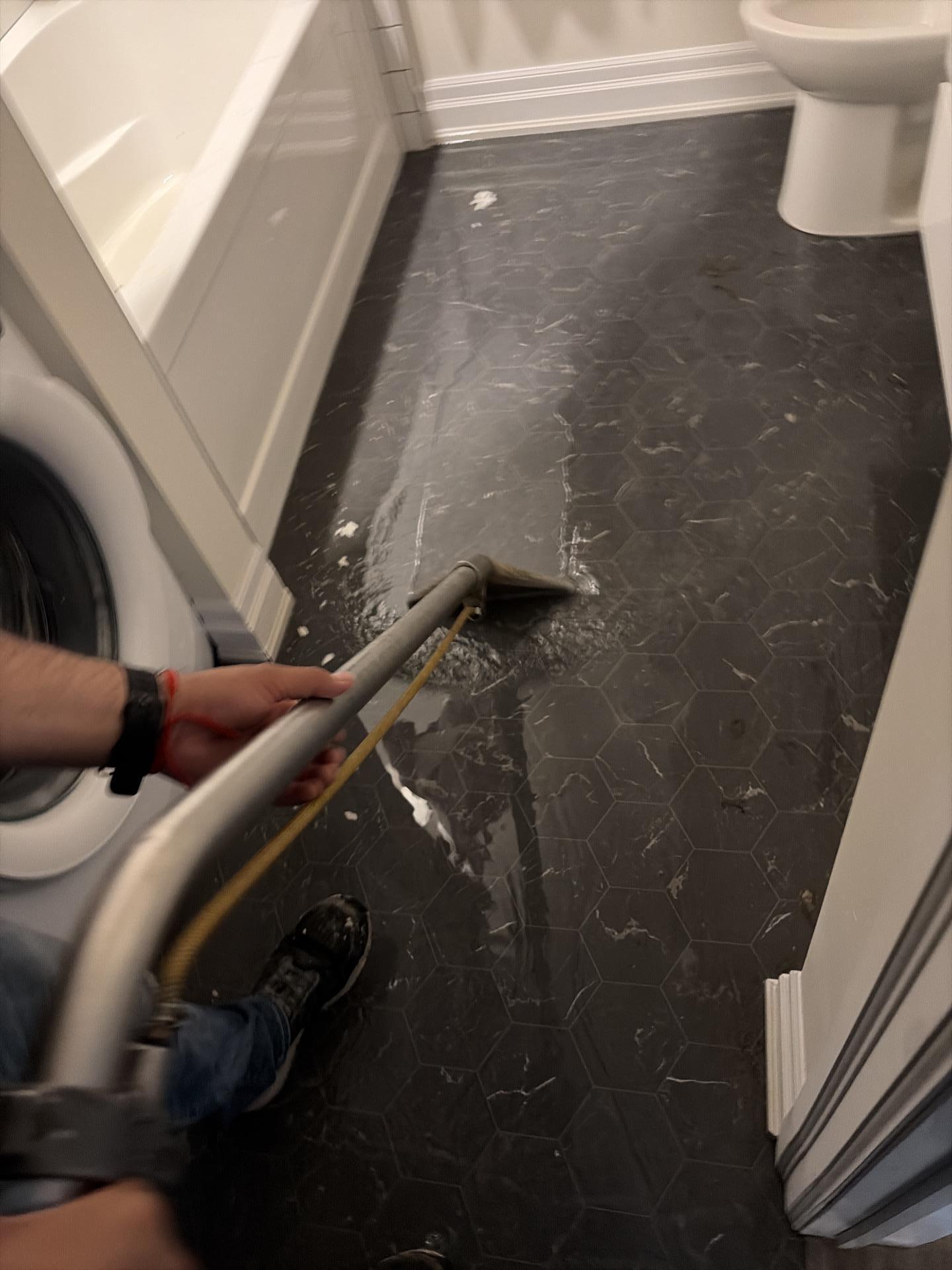
EMERGENCY WATER REMOVAL IN Toronto
Emergency water situations can happen suddenly in homes, condos, and commercial properties across Toronto, where standing water and moisture can quickly affect floors, walls, ceilings, and other building materials. Whether caused by a burst pipe, plumbing failure, appliance leak, basement flooding, or another unexpected source, prompt water removal can help reduce the risk of further property damage. Plan B Restoration provides professional emergency water removal in Toronto, helping property owners remove standing water, dry affected areas, assess the extent of the damage, and begin the restoration process.
CAUSES
COMMON CAUSES OF WATER DAMAGE IN Toronto
Water damage can happen suddenly or develop gradually, and Toronto properties can be affected by a wide range of plumbing, weather, and structural issues. From basement flooding after heavy rainfall to a burst pipe inside an older home, identifying the source quickly can help limit the amount of damage and prevent further problems.
Whether the problem is a burst pipe, basement flood, appliance leak, sewer backup, or severe storm, the sooner the source is identified and affected materials are dried, the better the chances of limiting further damage.
Plan B Restoration can assess the affected area, identify the extent of the damage, remove standing water, and begin the water damage restoration process for Toronto property owners.
💧 Burst or Frozen Pipes
A sudden release of water can cause extensive damage in minutes.
Cold winter temperatures can put additional stress on plumbing systems, especially in older homes and buildings. Frozen or burst pipes can release large amounts of water, affecting flooring, drywall, insulation, furniture, and personal belongings.
🌧️ Basement Flooding & Heavy Rain
Heavy rainfall can quickly turn a vulnerable basement into a flooded space.
Intense storms can overwhelm drainage systems and allow water to enter through floor drains, basement windows, foundation cracks, and other vulnerable areas. Finished basements can be particularly susceptible to damage when water reaches flooring, walls, furniture, or electrical components.
⚙️ Sump Pump Failure
When a sump pump stops working, groundwater can accumulate around the foundation.
Many homes rely on sump pumps to keep groundwater away from basement areas. Mechanical failures, power outages, blocked discharge lines, and aging equipment can cause a pump to stop working when it is needed most — particularly during heavy rainfall.
🚿 Plumbing & Appliance Leaks
Small leaks can cause major problems when they go unnoticed.
Water heaters, washing machines, dishwashers, toilets, supply lines, and other fixtures can leak for hours or even days before the damage becomes obvious. Hidden leaks behind walls or underneath flooring can cause structural damage and create conditions where mould can develop.
🚽 Sewer Backups
Contaminated water requires prompt attention and professional cleanup.
A sewer backup can introduce contaminated water into basements, bathrooms, laundry areas, and other low-lying areas of a Toronto property. Beyond damaging building materials and belongings, sewage can create serious sanitation concerns and should be professionally removed and cleaned.
🏠 Roof & Foundation Leaks
Water doesn’t always enter through plumbing — weaknesses in the building envelope can let moisture inside.
Damaged roofing materials, deteriorated flashing, poorly sealed windows, and foundation cracks can allow water to enter a property. What starts as a small leak can eventually lead to hidden moisture damage if the source isn’t identified and addressed.
TYPES OF SERVICE
OUR EMERGENCY WATER REMOVAL SERVICES
Emergency water situations can vary significantly depending on the source of the water, the amount of water present, and the areas of the property affected. At Plan B Restoration, we provide professional emergency water removal services throughout Toronto, helping residential and commercial property owners quickly remove standing water and begin the drying process.
- Standing water removal — Rapid extraction of water from flooded basements, rooms, hallways, and other affected areas using professional pumps and extraction equipment.
- Emergency water extraction — Removing large amounts of water following burst pipes, overflowing fixtures, appliance failures, sewage backups, and other sudden water emergencies.
- Basement water removal — Extracting accumulated water from basements and lower-level areas to help prevent prolonged exposure to moisture and additional structural damage.
- Burst pipe water removal — Responding to plumbing failures by removing water from affected rooms and addressing areas impacted by sudden pipe leaks.
- Carpet and flooring water extraction — Removing trapped water from carpets, rugs, hardwood flooring, and other floor surfaces where moisture can cause lasting damage.
- Water removal from walls and ceilings — Addressing water that has entered drywall, ceilings, and wall cavities and identifying areas that require further drying or material removal.
- Moisture inspection after extraction — Checking affected areas for remaining moisture to identify hidden dampness that may not be visible after standing water has been removed.
- Emergency drying and stabilization — Deploying air movers, dehumidifiers, and other drying equipment to begin reducing moisture and help prevent secondary damage.
OUR EMERGENCY WATER REMOVAL PROCESS
We start by inspecting the affected areas and identifying where the water came from. Our team assesses visible and potential hidden damage so we can determine the appropriate restoration approach.
The source of the water is addressed where possible, and affected areas are contained to help prevent further spread. This is especially important when water has reached multiple rooms or building materials.
Standing water is removed using professional extraction equipment. Removing water quickly helps reduce damage to flooring, drywall, furniture, and other materials.
This is where you can make your process stand out. We don’t just dry the surface—we focus on moisture that may be trapped underneath flooring, behind walls, and inside other materials. Professional air movers and dehumidification equipment help bring affected areas back toward appropriate moisture levels.
Affected areas and salvageable belongings are cleaned and treated as appropriate. If contaminated water is involved, additional cleaning and sanitation measures may be required.
Once the property has been stabilized and dried, restoration work can begin. Depending on the extent of the damage, this may involve repairing or replacing damaged drywall, flooring, trim, insulation, or other materials.
LOCAL SPECIFICITY
OUR TORONTO LOCATIONS
We proudly serve Toronto communities including:
- Downtown Toronto and the Financial District (M5B, M5C, M5G areas)
- Yorkville and The Annex (M4W, M5R areas)
- Kensington Market and Chinatown (M5T areas)
- Queen West and West Queen West (M5V, M6J areas)
- Liberty Village (M6K areas)
- Parkdale and Roncesvalles (M6J, M6R areas)
- High Park and Bloor West Village (M6P areas)
- The Beaches and Woodbine Heights (M4E, M4L areas)
- Leslieville and Riverside (M4M, M4L areas)
- Yonge–Eglinton and Davisville (M4P, M4S areas)
FAQ
FREQUENTLY ASKED EMERGENCY WATER REMOVAL QUESTIONS
Water should be removed as soon as possible. Standing water can quickly spread into flooring, drywall, walls, and other building materials, increasing the risk of additional damage.
Yes. Professional water extraction equipment can be used to remove standing water from basements and other low-lying areas, followed by moisture assessment and drying.
Depending on the extent and source of the water, carpets, hardwood, laminate, and other flooring may be treated with professional extraction and drying equipment. Severely damaged materials may need to be removed.
Water extraction is generally followed by structural drying and dehumidification to remove remaining moisture from affected building materials.
Moisture detection equipment can help identify water that has penetrated behind drywall, under flooring, or into other areas that aren’t visibly wet.